Resources

Playing should feel exciting, not stressful. A little planning goes a long way in keeping things light and enjoyable. When you know your limits and stick to them, you’re in a spot to make better choices.

Understand the Odds

Keep Your Play on Track

Only gamble with money you’re comfortable losing. To help you stick to that, we built PlayMyWay, a free, practical budgeting tool that gives you a clearer picture of your play.

Learn More
Hands with coins and sparkles

Know Myth from Fact

Your lucky rabbit’s foot wasn’t exactly lucky for the rabbit, and it won’t tilt the odds in your favor either. If you want to see how well you can spot the truth, take this quick quiz.

Learn More
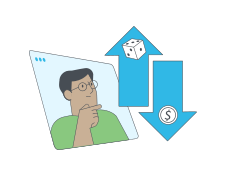
A man wondering if he should continue gambling

Taking a Break is a Good Idea

When the excitement starts to blur your decisions or you’re chasing that “one more win,” hitting pause is one of the smartest moves you can make.

Learn More
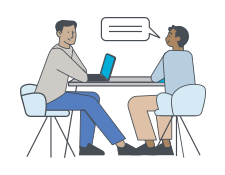

two men sitting at table with laptop and speech bubble

Signs of Problem Gambling

  • Chasing losses. Returning to gamble another day in an attempt to win back money previously lost.
  • Gambling for longer periods. Spending more time on gambling than originally intended.
  • Prioritizing gambling. Placing it above work, school, or family responsibilities.
  • Lying about gambling. Hiding the frequency or amount of your play from loved ones.
  • Using gambling as an escape. Playing to cope with stress, anxiety, or difficult emotions.
  • Financial strain. Gambling with money needed for bills or essential living expenses.
  • Obsessive thinking. Constantly thinking about past wins or planning your next session.
a man and a woman speaking with speech bubbles

What Can You Do?

  • Show that you care and are concerned.
  • Make it clear you’re there as a friend.
  • Be ready to provide examples of how you and others have been affected.
  • Try not to lecture, sound judgmental, or insist they stop immediately.
  • Be supportive and offer resources for getting help.
  • Remember that it must be their choice to change, and only when they’re ready.

Helping You or a Loved One Gamble Responsibly

  • Talk to a PlayWell Advisor about the Voluntary Self-Exclusion program.
  • Use the Massachusetts Problem Gambling Helpline at 800-327-5050, or visit maproblemgamblinghelpline.org.
  • Learn about the Outpatient Treatment Centers offered through the Massachusetts Department of Public Health.
  • Find a self-help group for people going through the same problems.
  • Outside of Massachusetts, please contact the National Problem Gambling Helpline: 800-MY-RESET.